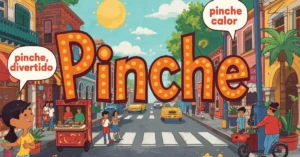
If you’ve ever watched Mexican films, listened to Latin music, or scrolled through social media, you’ve probably encountered the word “pinche.” But what does it actually mean? Is it offensive? Can language learners use it safely?
Understanding “pinche” is more than translation it’s about tone, context, social nuances, and cultural awareness in Mexican Spanish. This guide explores everything: from historical origins to modern slang, real-life examples, idiomatic expressions, regional variations, comparisons with other Mexican slang, and practical advice for learners.
By the end, you’ll fully understand how to recognize, interpret, and, if appropriate, use “pinche” naturally and safely.
Literal Meaning and Etymology of “Pinche”
Historical Origins
The word “pinche” originally referred to a kitchen assistant or apprentice cook in Spanish culinary traditions. Derived from Old Spanish, it denoted someone performing preparation work in a kitchen under a chef, such as chopping, cleaning, or cooking basics.
- Etymology: Some linguists suggest “pinche” comes from a diminutive of pinca, meaning “small pin” or “helper,” symbolizing a subordinate role.
Evolution into Slang
Over time, especially in Mexico, “pinche” lost its literal culinary meaning. By the 20th century, it transformed into a versatile slang word, used to:
- Express frustration
- Intensify statements
- Deliver mild criticism
Today, very few Mexicans associate “pinche” with kitchens; it’s firmly part of informal speech and Mexican slang culture.
Modern Slang Meaning
1. As an Intensifier
“Pinche” is commonly used to emphasize feelings positive, neutral, or negative.
Examples:
- Está bien pinche bueno → “It’s really freaking good”
- Pinche frío → “Damn cold”
2. Expressing Frustration
- Pinche tráfico → “Damn traffic”
- Qué pinche día → “What a terrible day”
3. Mild Criticism or Insult
Depending on tone, it can serve as a mild critique:
- No seas pinche tonto → “Don’t be so foolish”
- Eres un pinche irresponsable → “You’re a reckless person”
Key Insight: Context and tone are crucial. Playful among friends, offensive when aggressive.
Tone and Context: When Pinche Is Offensive
| Context / Tone | Acceptable? | Example |
|---|---|---|
| Casual conversation with friends | ✅ Mild/slang | Ese juego está pinche divertido |
| Directed aggressively at someone | ❌ Offensive | Eres un pinche irresponsable |
| Professional/formal environment | ❌ Never use | Avoid entirely |
Tip: Think of “pinche” like “damn” in English: tone transforms meaning completely.
Regional Differences
- Mexico: Extremely common; part of everyday informal speech; understood across age groups.
- Other Latin American countries: Rare, may sound harsh or confusing.
- Spain: Almost never used; may confuse listeners or sound out of place.
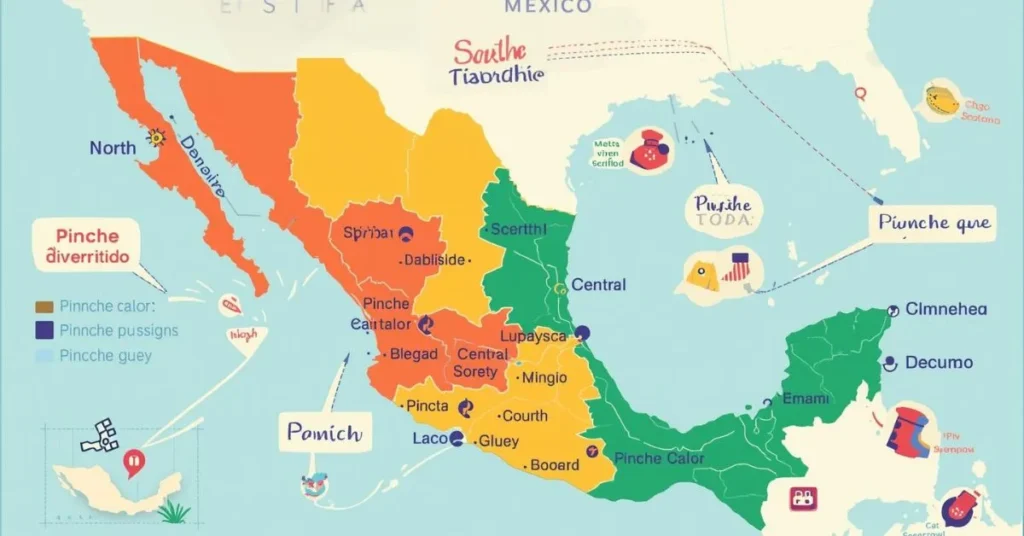
Practical takeaway: If you’re outside Mexico, listen before using it. Even native Spanish speakers from other countries may misinterpret the word.
Real-Life Examples
Everyday Situations
- Este pinche calor es insoportable → “This freaking heat is unbearable”
- Se me olvidó la tarea, pinche suerte → “I forgot my homework, damn luck”
Friendly Tone
- Ese juego está pinche divertido → “That game is really fun”
- Estoy bien pinche cansado, pero vale la pena → “I’m really tired, but it’s worth it”
Mild Criticism
- No seas pinche tonto → “Don’t be so foolish”
- Eres un pinche irresponsable → “You’re a reckless person”
Key Tip: Always consider voice, facial expressions, and relationship—they determine whether “pinche” is playful or critical.
Extended Comparisons With Other Mexican Slang Words
| Word | Meaning | Tone | Usage Level | Example |
|---|---|---|---|---|
| Pinche | Damn / freaking / foolish | Mild–Rude | Informal | Pinche tráfico → “Damn traffic” |
| Cabrón | Jerk / badass | Rude | Slang | Ese tipo es un cabrón |
| Guey | Dude / uninformed | Casual | Informal | No seas guey → “Don’t be so careless” |
| Maldito | Damn / cursed | Strong | Semi-formal | Maldito tráfico → “Damn traffic” |
| Inconsiderado | Inconsiderate / careless | Mild–Rude | Informal | Eres un inconsiderado → “You’re reckless” |
| Chingón | Awesome / impressive | Positive | Slang | Ese coche está chingón |
| Cabrón de mierda | Strong insult | Offensive | Slang | Eres un cabrón de mierda |
Takeaway: “Pinche” is softer than many other slang terms but still adds informal emotional weight.
Idiomatic Expressions With “Pinche”
- Pinche suerte → “Damn luck”
- Pinche madre → Can express frustration (“Damn it!”)
- Pinche vida → Frustrated sigh about life, “This damn life”
Tip: Idiomatic usage can be tricky learn them passively first by exposure to Mexican media.
Regional Variations Within Mexico
- Northern Mexico: Used casually; playful among young adults.
- Central Mexico (Mexico City): Most common usage; often in movies, memes, and everyday conversations.
- Southern Mexico: Less frequent, but understood. Tone more important here.
Observation: Some regions combine “pinche” with other slang for stronger effect, e.g., pinche guey, pinche cabrón.
Dialogues Showing Real-Life Usage
| Scenario | Spanish Dialogue | English Translation |
|---|---|---|
| Playful Conversation Among Friends | Ana: ¡Ese concierto estuvo pinche increíble! Luis: Sí, la banda estuvo bien pinche buena. | Ana: “That concert was freaking amazing!” Luis: “Yeah, the band was really freaking good.” |
| Frustrated Scenario | Marta: ¡Pinche tráfico otra vez! Juan: Sí, es insoportable. | Marta: “Damn traffic again!” Juan: “Yeah, it’s unbearable.” |
| Argument / Mild Criticism | Pedro: No me digas que rompiste la computadora otra vez. Carla: ¡Eres un pinche irresponsable! | Pedro: “Don’t tell me you broke the computer again.” Carla: “You’re a reckless person!” |
Why “Pinche” Is So Popular
“Pinche” persists because:
- It adds emotion instantly
- Fits casual conversation among peers
- Appears in movies, TV shows, music, memes, and social media
- Is versatile, usable as intensifier, mild critique, or expression of frustration
Entity Integration: Using “pinche” helps learners understand Mexican slang, informal speech, social tone, and cultural nuance.
Psycholinguistic Insight
Why does “pinche” carry such weight?
- Emotional intensity: One syllable, punchy, triggers affective response
- Social signaling: Indicates familiarity, closeness, or mild disapproval depending on tone
- Cultural embeddedness: Repeated exposure in media reinforces emotional associations
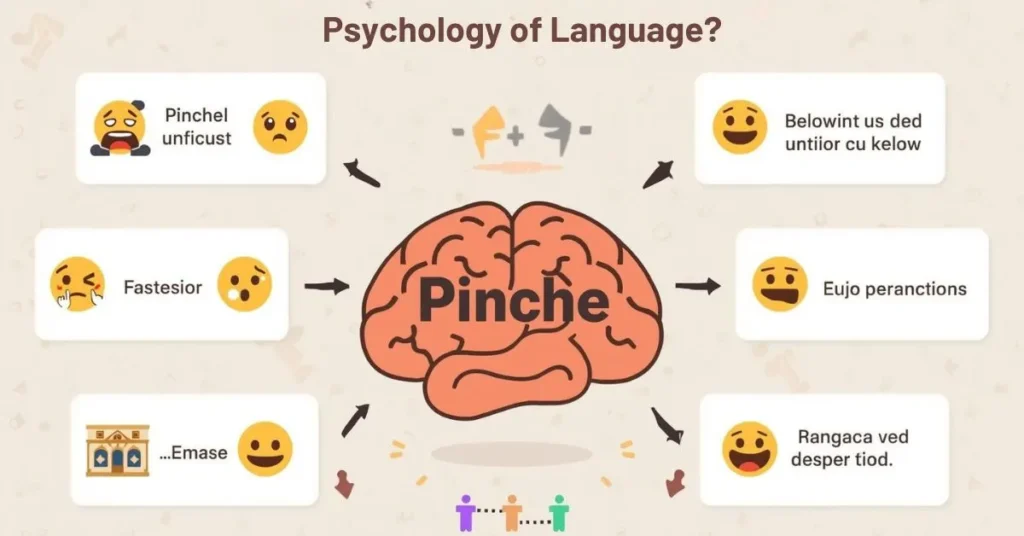
This makes it highly expressive and widely recognized among Mexicans.
Safe Alternatives for Learners
For those learning Spanish:
- Muy bueno → very good
- Increíble → incredible
- Qué molesto → how annoying
- Muy cansado → very tired
Tip: Use alternatives in professional settings or with strangers to avoid offense.
Practical Tips for Learners
- Listen before speaking: Observe movies, TV, or native conversations.
- Recognize tone: Aggressive = offensive; playful = casual.
- Passive exposure: Recognize “pinche” before using it.
- Practice dialogue examples: Try using safe variations first.
- Use idiomatic phrases carefully: Only when you understand nuance.
Common Mistakes to Avoid
- Overusing “pinche” in speech
- Ignoring social context
- Using it in formal or professional situations
- Misinterpreting tone
“Pinche” in Mexican Pop Culture
- Appears in films like Amores Perros and Y Tu Mamá También.
- Used in music lyrics by bands and artists like Café Tacuba.
- Memes frequently feature “pinche” for humor and emphasis.
Takeaway: Exposure to media helps learners internalize context and tone.
Extended FAQs
1. What does “pinche” mean in English?
“Damn,” “freaking,” or “foolish/reckless,” depending on tone and context.
2. Is “pinche” offensive?
Yes, if used aggressively; mild and playful among friends.
3. Can beginners use it safely?
Not recommended until you understand tone and social nuances.
4. Where is “pinche” most common?
Primarily in Mexico; less common in other countries.
5. Can “pinche” be used positively?
Yes, to emphasize something good, like “really fun.”
6. Difference between “pinche” and “cabrón”?
“Pinche” = milder, “cabrón” = stronger and potentially offensive.
7. Are there safer alternatives?
Yes: muy bueno, increíble, qué molesto, inconsiderado.
8. Can “pinche” appear in media?
Yes, in Mexican films, TV, songs, and memes.
9. How do you know if it’s playful or critical?
Tone, context, relationship, and delivery.
10. What is a common idiomatic use?
Pinche suerte → “Damn luck”
11. Can “pinche” combine with other slang?
Yes: pinche guey, pinche cabrón for stronger emphasis.
12. Is “pinche” universal in Mexico?
Widely recognized, but regional usage and tone vary.
13. Can “pinche” improve your Spanish comprehension?
Absolutely. Recognizing it boosts understanding of informal Mexican Spanish and cultural nuance.
14. How did “pinche” become slang?
Through decades of informal usage, media, and colloquial speech replacing its original literal meaning.
Conclusion
In Mexican Spanish, “pinche” is a versatile slang term that can express frustration, emphasis, or mild criticism depending on tone, context, and social dynamics. From its historical roots as a kitchen helper to its modern use in films, music, and everyday conversations, “pinche” reflects the richness of informal Mexican Spanish and cultural nuance.
For learners, understanding “pinche” means recognizing tone, emotional weight, and social context. While playful among friends, using it incorrectly in formal or unfamiliar settings can be inappropriate.
Practical takeaway: Listen carefully, observe native speakers, and start by recognizing “pinche” before using it. Pair this understanding with safer alternatives to speak Mexican Spanish confidently and naturally.
Click Here To Read About : what does immediate family mean

I am Clara Lexis, a writer driven by clarity, depth, and authenticity. My focus is on transforming ideas into meaningful content that is both informative and engaging. I write with intention to communicate clearly, thoughtfully, and with purpose.