In the last few years, the term WFH has become a staple in professional communication. You may have seen it in emails, chat messages, social media, or even in job postings, but what does it truly mean, and why has it become such a central part of modern work culture?
Understanding this concept is more than just knowing its abbreviation. In fact, it represents a fundamental shift in how we work, collaborate, and communicate globally. Consequently, this guide provides a comprehensive look at its meaning, usage, benefits, challenges, tools, trends, and expert tips to thrive while working remotely from home.
Whether you’re a professional, freelancer, student, or manager, this guide will give you everything you need to master the terminology and practices associated with working from home. Additionally, understanding how it appears in emails, chat apps, or job postings is essential. Furthermore, the guide covers all you need, whether you are new to remote work or experienced.
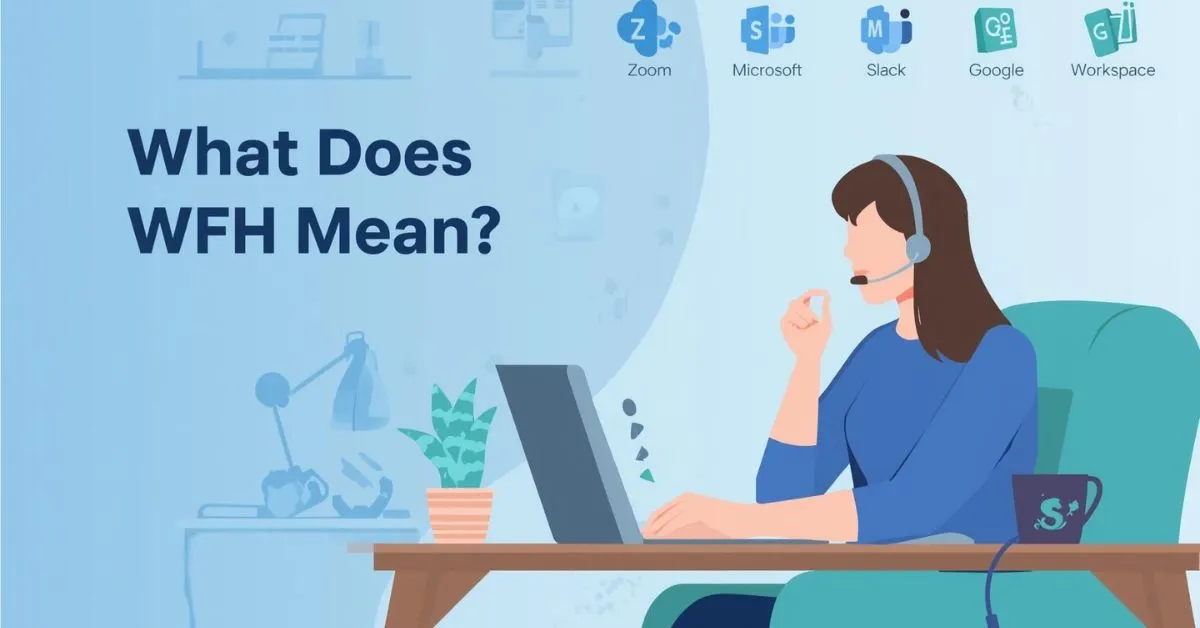
What Does WFH Mean?
WFH stands for “Work From Home.”
Essentially, it refers to performing your professional duties remotely, usually from your residence, instead of commuting to a physical office.
Examples in Context
- Professional Email: “Hi team, I’ll be working from home tomorrow due to a medical appointment.”
- Chat App (Slack, Teams): “Working remotely today, reachable via Teams.”
- Job Posting: “We are offering a full-time remote position for software engineers.”
- Social Media: “Home-office life: coffee, laptop, and Zoom meetings.”
Key Insight: This does not mean a day off. Instead, it indicates you are still completing your work—just from home.
Working From Home vs Remote Work vs Hybrid Work
Many people confuse WFH with other work arrangements. To clarify, here’s a comparison:
| Term | Definition | Example |
|---|---|---|
| WFH | Working from home specifically | “I’m working from home today” |
| Remote Work | Working from any location (home, café, another city) | “I work remotely while traveling” |
| Hybrid Work | Combination of office and home work | “3 days in the office, 2 days from home” |
In other words, working from home is a subset of remote work that emphasizes the home as the workspace. Meanwhile, hybrid arrangements combine both office and remote days.
The History and Rise of Working From Home
Origins of the Term
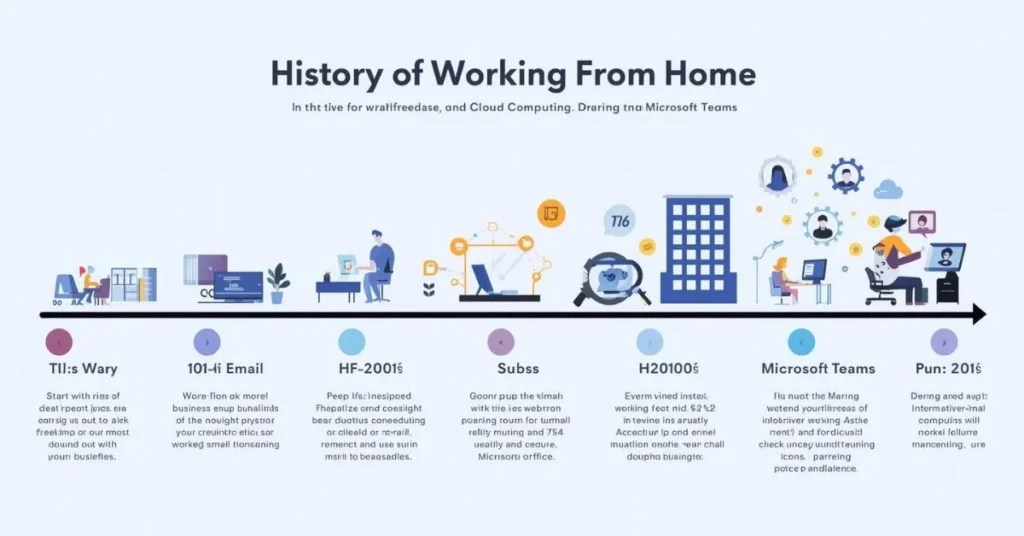
The idea of performing professional tasks from home existed even before the internet era, primarily in freelance and small business contexts. Interestingly, the abbreviation gained prominence in the 2000s with the rise of email, chat platforms, and cloud computing.
Explosion During Global Events
The 2020 pandemic accelerated the adoption of home-based work worldwide. As a result, companies had to pivot quickly, and employees had to adapt to remote setups. Moreover, tools such as:
- Zoom
- Slack
- Microsoft Teams
- Google Workspace
became essential for keeping teams connected.
Global Adoption Trends
According to a 2025 report by Buffer, 74% of employees prefer home-based work at least part-time. In addition, Gartner predicts that by 2026, over 50% of knowledge workers globally will engage in hybrid or full-time remote arrangements.
Benefits of Working from Home
Completing professional duties from home offers numerous advantages for both employees and companies. Consequently, understanding these benefits helps optimize the experience.
1. Flexibility and Work-Life Balance
Employees can manage home responsibilities alongside work, improving mental health and overall satisfaction. Additionally, having control over schedules allows for better personal and professional balance. This flexibility also reduces stress from commuting and rigid office hours.
2. Increased Productivity
Studies show that many employees are 20–25% more productive when completing tasks at home, especially with a quiet, dedicated workspace. Furthermore, fewer office interruptions contribute to deeper focus and efficiency.
3. Time and Cost Savings
- No commuting saves 30–60 minutes daily.
- Moreover, employees spend less on transportation, meals, and professional wardrobe, which adds up financially over time.
4. Access to Global Talent
Companies can hire without geographic constraints, increasing diversity and expertise. As a result, businesses can access specialized skills that may not be available locally.
5. Environmental Benefits
Fewer commuters reduce carbon emissions and help companies meet sustainability goals. Therefore, this approach contributes positively to both employees’ well-being and corporate social responsibility initiatives.
Challenges of Remote Work
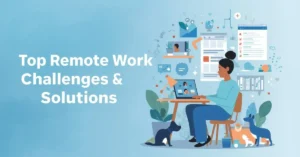
While there are many benefits, working from home also comes with unique challenges. For instance, managing distractions and communication gaps can be difficult.
| Challenge | Description | Tips / Solutions |
|---|---|---|
| Home Distractions | Family members, pets, or household chores can interfere with work tasks. | Set boundaries, establish a dedicated workspace, and schedule focused work hours. |
| Communication Gaps | Reduced face-to-face interaction can cause misunderstandings and slower decisions. | Schedule regular check-ins via chat, video calls, or collaborative platforms. |
| Work-Life Blur | Without clear boundaries, professional and personal time can mix, leading to overwork. | Define work hours, use reminders to take breaks, and separate workspaces from personal areas. |
| Technology Dependence | Reliable internet, devices, and software tools are crucial for productivity. | Ensure stable connections, use updated software, and have access to IT support. |
| Isolation & Mental Health | Remote workers may feel disconnected from team culture, which can cause stress or burnout. | Organize virtual team-building activities, encourage social interaction, and offer mental health resources. |
WFH in Everyday Communication
Email Examples
- ✅ Professional: “I will be working from home (WFH) today, available online from 9–5.”
- ❌ Informal: “WFH today, brb”
Chat App Examples
- “WFH today, ping me if you need anything.”
- “WFH due to office internet outage.”
Social Media Usage
- Instagram and TikTok posts often tag #WFH with home-office photos.
- Common abbreviations include “WFH vibes” and “WFH grind.”
Global Variations of WFH
United States
- WFH adoption is high in tech and corporate sectors.
- Hybrid models are particularly popular.
Europe
- Countries like Germany and the Netherlands offer legal frameworks for WFH.
- Policies vary by industry.
Asia
- WFH adoption accelerated in countries like India, Singapore, and Japan.
- However, challenges include smaller home spaces and connectivity issues.
Common Mistakes When Using WFH
- Confusing WFH with leave – Always clarify you are still working.
- Overusing abbreviations – Not all team members may know WFH.
- Informal language in professional contexts – Use full form first.
Correct Example: “I’ll be working from home (WFH) today but available via Teams.”
Case Studies of WFH
Case Study 1: IT Team
- A 10-member team transitioned to WFH during a pandemic.
- As a result, productivity increased by 15% due to fewer office interruptions.
- Weekly video check-ins via Zoom maintained communication.
Case Study 2: Freelance Marketing
- A freelancer worked entirely WFH using Slack, Trello, and Google Workspace.
- Consequently, they saved $300/month on commuting and lunch.
- Reported improved work-life balance.
Future of WFH
- Hybrid work models will dominate by 2026.
- Permanent WFH options are rising in IT, marketing, customer support, and freelance jobs.
- Companies will increasingly provide WFH perks such as internet reimbursement, ergonomic chairs, and home office budgets.
Related Terms
- WFO (Work From Office): The opposite of WFH.
- Remote Work: Work from any location.
- Hybrid Work: Mix of home and office work.
- Telecommuting: Another term for working remotely.
FAQs
1. What does WFH stand for?
WFH stands for Work From Home, meaning you work remotely from your home instead of the office.
2. Is WFH the same as remote work?
No. WFH is specific to home, while remote work can be done anywhere.
3. Can WFH be permanent?
Yes. Many companies now offer permanent WFH or hybrid arrangements.
4. What is the opposite of WFH?
The opposite is WFO (Work From Office).
5. Does WFH affect productivity?
It varies. Many employees report higher productivity, but distractions at home or poor communication can reduce efficiency.
6. What tools are commonly used for WFH?
Slack, Microsoft Teams, Zoom, and Google Workspace.
7. How do I make WFH effective?
Set a dedicated workspace, follow a schedule, communicate clearly, use the right tools, and take regular breaks.
8. Can WFH be used for part-time jobs?
Yes. Many part-time roles now offer flexible WFH options.
Conclusion
WFH is more than an abbreviation; it represents a modern work revolution.
From emails to job postings and social media, WFH has reshaped professional communication. Therefore, understanding its meaning, proper usage, benefits, challenges, tools, and global trends is essential to stay competitive in today’s workforce.
Whether you are a corporate employee, freelancer, or student, mastering WFH terminology and practices will make you more productive, flexible, and prepared for the future of work.
Next Step: Explore WFH opportunities, adopt the right tools, and set up your home workspace to thrive in the new era of work.
Click Here To Read About : what does thirst trap mean

I am Clara Lexis, a writer driven by clarity, depth, and authenticity. My focus is on transforming ideas into meaningful content that is both informative and engaging. I write with intention to communicate clearly, thoughtfully, and with purpose.