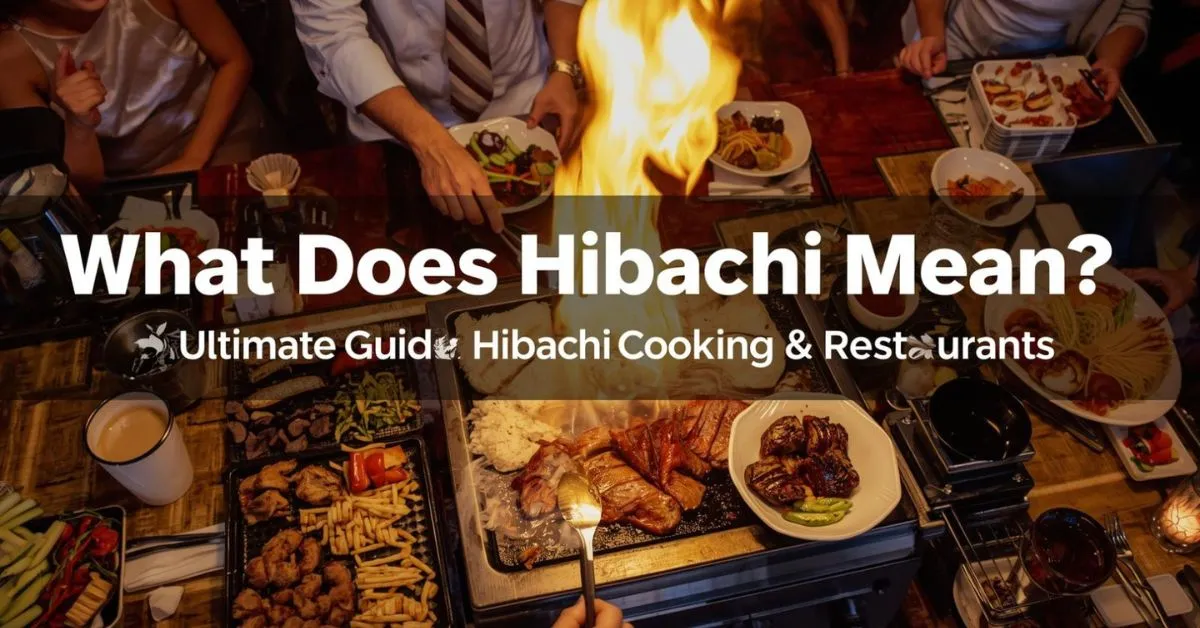
Hibachi is a term that sparks curiosity among food lovers and Japanese cuisine enthusiasts. But what does hibachi mean? In Japan, it is a small, portable fire bowl traditionally used for heating rooms and cooking small amounts of food. Made from ceramic or metal, hibachis were essential household items, symbolizing warmth, family gatherings, and simple home-cooked meals.
In the West, Hibachi cooking and resturants has evolved. Today,it is associated with Japanese-style grills and restaurants, where chefs prepare meats, seafood, vegetables, and fried rice on a tabletop grill while performing entertaining tricks. From the onion volcano to the shrimp toss, hibachi cooking combines flavor, technique, and performance.
This ultimate guide explores the true meaning of hibachi, its origins, popular dishes, cooking techniques, restaurant culture, global influence, and home cooking tips. Whether you’re curious about Japanese culture or want to cook hibachi at home, this comprehensive guide covers everything you need to know.
Hibachi Meaning and Origin
The word hibachi literally translates to “fire bowl” in Japanese. Traditionally, hibachis were small, portable containers filled with charcoal. These bowls were made of ceramic, metal, or wood, and served as both heating devices and cooking tools. Families would gather around the hibachi during cold months, preparing small meals such as rice, vegetables, and occasionally fish or meat.
However,it was more than a tool it represented home warmth, family connection, and tradition. It was lightweight and portable, making it easy to move between rooms. Over centuries, the hibachi became a cultural icon in Japanese households.
When hibachi reached the United States in the 20th century, its function changed. Restaurants transformed hibachi into tabletop grills, designed to cook food quickly while entertaining guests. Modern hibachi grills focus on meats, seafood, vegetables, and fried rice. The hibachi performance style, now famous worldwide, often includes theatrical presentations like onion volcanoes, shrimp tossing, and vegetable flipping.
Tip: Always remember, hibachi and teppanyaki are not the same. Hibachi uses direct flame grills, while teppanyaki uses flat iron griddles. Understanding this distinction is crucial for culinary enthusiasts and diners alike.
Hibachi Cooking: Dishes, Sauces, and Techniques
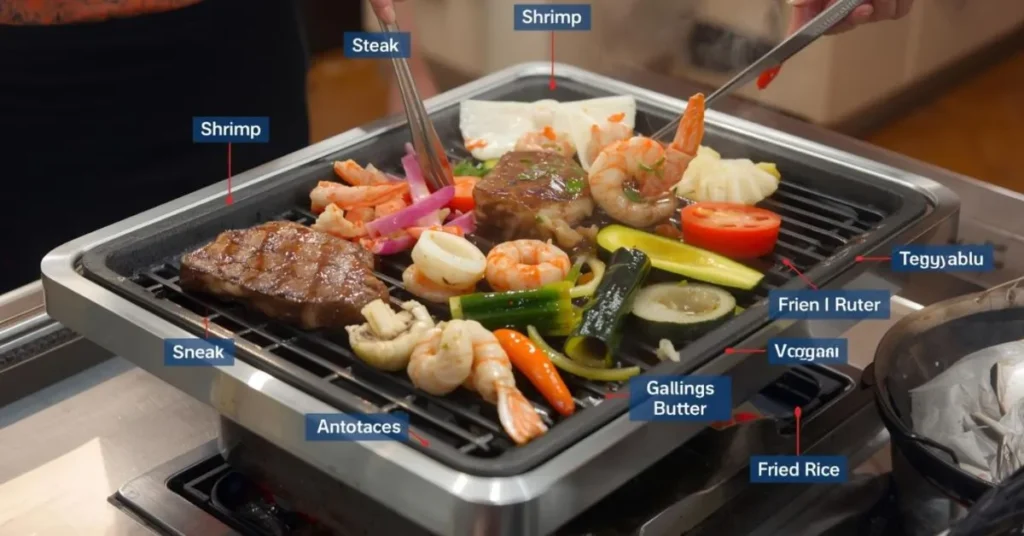
Hibachi cooking is an art form combining fresh ingredients, high heat, and visual flair. The grills are designed to sear food quickly, locking in flavor while keeping textures intact.
Popular Hibachi Dishes
- Steak: Tender cuts seasoned lightly, grilled over high heat
- Chicken: Juicy pieces often marinated or brushed with teriyaki or garlic butter
- Shrimp & Seafood: Tossed and flipped in performance style
- Vegetables: Onions, mushrooms, zucchini, peppers, and cabbage
- Fried Rice & Noodles: Cooked with soy sauce, butter, and aromatics for the signature hibachi flavor
Sauces & Seasonings
- Soy sauce: Enhances umami flavor
- Teriyaki sauce: Sweet and savory glaze
- Garlic butter: Adds richness to meats and seafood
- Ponzu or spicy mayo: Optional for dipping
Cooking Techniques & Chef Performances
- Onion Volcano: Hollowed onion flames with soy sauce
- Shrimp Toss: Quick flipping between spatulas
- Knife Tricks: Chopping vegetables or flipping them with skill
- High Heat Searing: Essential for locking in flavor and keeping textures crisp
Home Hibachi Cooking Tips
- Use fresh, high-quality ingredients.
- Preheat your grill to high heat.
- Cook proteins first, then vegetables and rice.
- Add sauces near the end for maximum flavor.
- Practice performance tricks only if safe focus on cooking first.
Hibachi vs Teppanyaki: Key Differences
Hibachi and teppanyaki are often confused, but they are distinct.
| Feature | Hibachi | Teppanyaki |
|---|---|---|
| Grill Type | Small, open flame | Flat iron griddle |
| Cooking Style | Direct flame grilling | Pan-style searing |
| Portion Size | Small to medium | Large portions |
| Entertainment | Chef performances common | Sometimes, less theatrical |
| Origin | Traditional Japanese fire bowl | Flat iron pan cooking |
This is more intimate and interactive, often used in small gatherings, whereas teppanyaki is designed for larger tables and a flat cooking surface. Both use high heat but offer different textures and experiences.
Hibachi Restaurants Around the World
Hibachi restaurants have become a global phenomenon. The U.S. chain Benihana popularized the concept, turning hibachi into both a culinary and entertainment experience. Guests sit around tabletop grills, watching chefs cook:
- Steak, chicken, shrimp, and vegetables
- Fried rice and noodles
- Performances like onion volcanoes, shrimp tosses, and knife tricks
Outside the U.S., hibachi restaurants have spread to Europe, Asia, and Australia, often adapting dishes to local flavors while keeping traditional Japanese grilling techniques. Many restaurants now offer fusion hibachi, blending regional ingredients with classic Japanese flavors.
Pro Tip: Hibachi dining is interactive and social. It is perfect for family gatherings, birthdays, or casual outings.
Buying a Hibachi Grill: Tips for Home Use
Bringing hibachi home is easier than you think. Here’s what to consider:
Types of Hibachi Grills
- Charcoal: Best flavor, authentic experience
- Gas: Convenient and quick to use
- Electric: Perfect for indoor cooking, small spaces
Size & Materials
- Small grills: Ideal for 2–4 people
- Large grills: Great for parties or family meals
- Material: Cast iron or stainless steel ensures durability and even heat
Accessories & Safety
- Removable grill plates for cleaning
- Drip trays for easy maintenance
- Spatulas and tongs for safe handling
- High heat and ventilation are key for home safety
Pro Tip: Preheat your grill fully, use fresh ingredients, and maintain a clean workspace. A quality hibachi grill can recreate restaurant-style meals at home.
Hibachi Culture, Popularity, and Global Influence
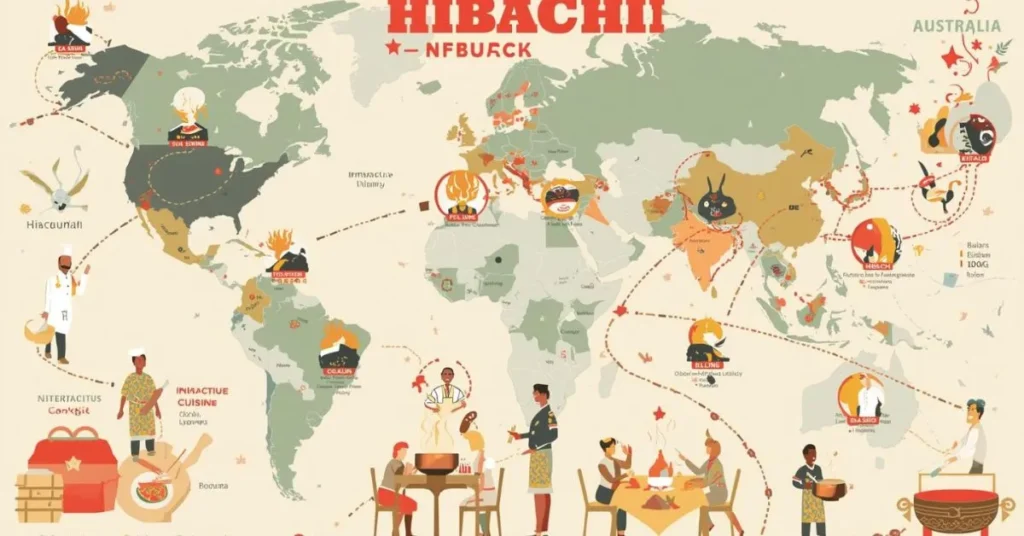
Hibachi has become a cultural icon beyond Japan. Its popularity comes from:
- Interactive dining: Guests enjoy watching chefs cook
- Flavorful dishes: Steak, chicken, shrimp, vegetables, fried rice
- Performance elements: Tricks like the onion volcano or shrimp toss
- Adaptability: Fusion cuisine across continents
- Social media: Hibachi videos go viral, increasing global interest
Although,at home hibachi grills allow families and enthusiasts to replicate the restaurant experience, making it part of modern culinary culture. Hibachi remains popular because it combines delicious food, cultural history, and entertainment in one experience.
Common Hibachi Mistakes and Tips
- Overcooking proteins: Always monitor cooking time carefully
- Undercooked vegetables: Use high heat but avoid burning
- Wrong sauces: Add sauces at the right moment to preserve flavor
- Ignoring safety: Keep children away from grills, handle hot tools carefully
- Skipping prep: Chop ingredients and preheat grill before cooking
Pro Tip: Since, practice makes perfect. Start with simple dishes like chicken fried rice before attempting advanced tricks.
Tips, Common Mistakes, and Practical Hibachi Advice
When cooking hibachi at home or enjoying it in a restaurant, it’s important to follow some key tips. First, always preheat your grill to ensure even cooking. Next, prepare all ingredients beforehand to avoid delays during performance-style cooking. Additionally, use fresh meats, seafood, and vegetables to maximize flavor.
Common mistakes to avoid include overcooking proteins, undercooking vegetables, or adding sauces too early. For instance, adding soy sauce too soon can make fried rice soggy. Meanwhile, forgetting safety precautions can lead to accidents, so always supervise children around hibachi grills.
Finally, practice simple techniques like searing steak or cooking vegetables before attempting complex tricks such as the shrimp toss or onion volcano. By following these guidelines, you can enjoy hibachi safely while creating authentic flavors and an entertaining dining experience.
FAQs About Hibachi
1. Is hibachi the same as teppanyaki?
No. Hibachi uses open flame grills, teppanyaki uses flat iron griddles.
2. Can I cook hibachi at home?
Yes! Use charcoal, gas, or electric grills for restaurant-style meals.
3. What is the history of hibachi in Japan?
It started as a portable fire bowl for heating and cooking small meals.
4. What foods are cooked on hibachi?
Steak, chicken, shrimp, vegetables, fried rice, and noodles with soy sauce, teriyaki, and garlic butter.
5. Why is hibachi popular worldwide?
Because it combines flavor, performance, and social dining.
6. How do hibachi restaurants differ internationally?
Chefs may adapt dishes using local ingredients but retain Japanese grilling techniques.
7. Can I buy a hibachi grill online?
Yes. Many retailers sell charcoal, gas, and electric hibachi grills suitable for indoor or outdoor use.
Conclusion
Hibachi is more than a grill it’s a cultural, culinary, and social experience. From its origins in Japan as a portable fire bowl to its global fame in restaurants and home kitchens, hibachi combines flavor, technique, and entertainment.
Understanding hibachi also means knowing its difference from teppanyaki. It is smaller, uses direct flame, and emphasizes interactive cooking, while teppanyaki relies on flat griddles and larger portions.
Whether dining at a hibachi restaurant cooking at home, or exploring Japanese culinary history, hibachi offers memorable meals, entertaining performances, and cultural insight. With fresh ingredients, high heat, and proper techniques, hibachi continues to delight food lovers worldwide.
Click Here to read more : what does ppo mean

I am Clara Lexis, a writer driven by clarity, depth, and authenticity. My focus is on transforming ideas into meaningful content that is both informative and engaging. I write with intention to communicate clearly, thoughtfully, and with purpose.