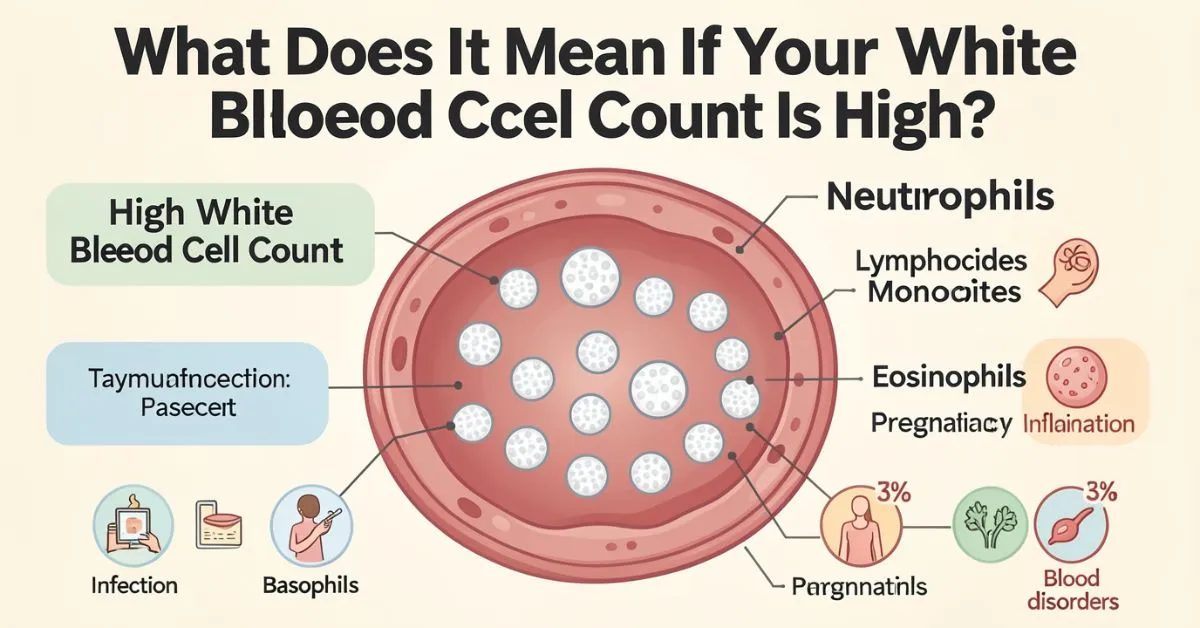
A high white blood cell count means the body is making more white blood cells than usual. White blood cells, or WBCs, are part of the immune system, which protects against germs, infections, and diseases. When the WBC count is high, it is called leukocytosis.
Sometimes a high WBC count is temporary and harmless. Minor infections, stress, or certain medications can cause it. However, Very high or long-lasting WBC counts can be a sign of serious health problems. These may include infections, swelling in the body, immune system problems, or blood diseases like leukemia.
Understanding what a high WBC count means can help anyone know when to worry and when to relax. This article explains the causes, symptoms, treatment, and when it is important to seek medical care.
What Are White Blood Cells and Why They Are Important
White blood cells act like tiny defenders in the bloodstream. They travel throughout the body looking for germs, viruses, and other threats. WBCs are made in the bone marrow and help the body fight infections and heal injuries.
There are five main types, each with a role:
- Neutrophils: fight bacteria
- Lymphocytes: fight viruses and make antibodies
- Monocytes: clean up dead cells and fight long-term infections
- Eosinophils: respond to allergies and parasites
- Basophils: help with inflammation and allergic reactions
When WBCs are high, the body may be responding to infection, inflammation, or stress. Sometimes, it may indicate a more serious condition.
Normal vs High White Blood Cell Count
Doctors measure WBCs using a complete blood count (CBC). Normal WBC ranges are typically:
- Adults: 4,000 – 11,000 cells per microliter of blood
- Children: slightly higher
- Pregnant individuals: slightly higher, especially in the third trimester
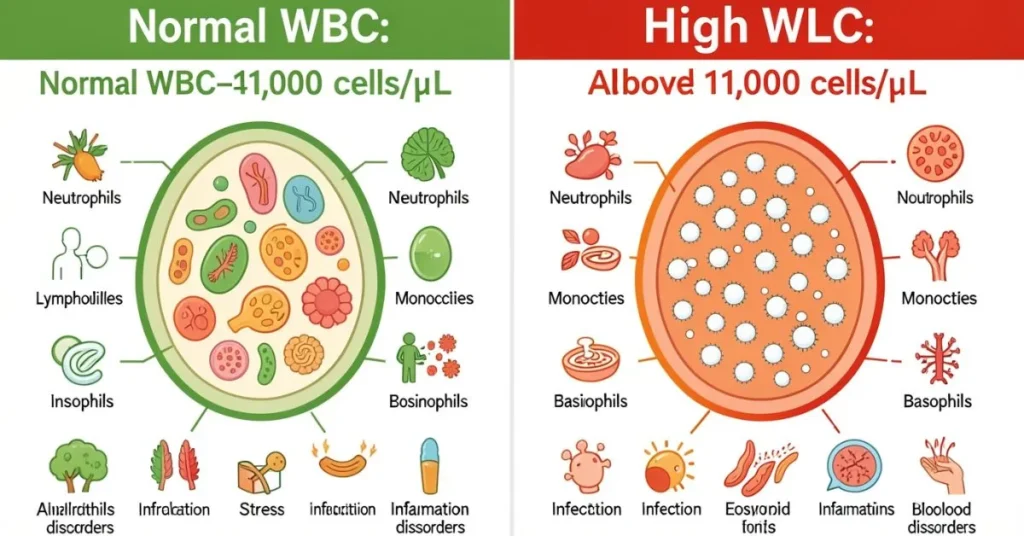
If WBC counts exceed these ranges, it is called high WBC or leukocytosis.
Doctors often classify high WBC into:
- Mild: slightly above normal, usually temporary
- Moderate: higher than mild, requires further evaluation
- Severe: very high, may indicate serious conditions
Knowing the WBC level helps healthcare providers decide if treatment or monitoring is needed.
Types of White Blood Cells and What Their Increase Means
Doctors look at which WBC type is high to determine the cause.
| WBC Type | High Level Called | Possible Cause |
|---|---|---|
| Neutrophils | Neutrophilia | Bacterial infection, stress |
| Lymphocytes | Lymphocytosis | Viral infection, leukemia |
| Monocytes | Monocytosis | Chronic infection, autoimmune conditions |
| Eosinophils | Eosinophilia | Allergies, asthma, parasites |
| Basophils | Basophilia | Rare blood conditions, inflammation |
A WBC differential test shows the percentage of each type, helping healthcare providers determine why WBCs are high.
Main Causes of High White Blood Cell Count
Many factors can raise WBC levels. Common causes include:
- Infections – Bacteria, viruses, fungi, or parasites trigger WBC production
- Inflammation – Conditions like arthritis, tissue injury, or chronic inflammation increase WBCs
- Stress – Physical stress, like surgery, injury, or hard exercise, can raise white blood cells for a short time. Strong emotions and worry can also make WBC levels go up.
- Medications – Steroids, lithium, or epinephrine may increase WBC levels
- Allergies & Asthma – Allergic reactions or asthma flare-ups can raise WBCs
- Smoking – Chronic exposure can slightly elevate WBC levels
- Blood Conditions & Cancer – Sometimes, a high white blood cell count can mean a serious blood problem. These include cancers like leukemia or lymphoma, or diseases that affect the bone marrow, where blood cells are made.
Healthcare providers evaluate symptoms, WBC type, and lab results to identify the exact cause.
Causes of High WBC Due to Lifestyle
Lifestyle choices can influence white blood cell counts. Smoking and unhealthy diets can trigger mild inflammation, slightly raising WBCs. Sleep deprivation weakens the immune system, leading to higher WBC counts. Emotional stress may also cause temporary increases.
Making healthy lifestyle changes can help maintain normal WBC levels. This means stop smoking. Eat healthy foods. Do some light exercise. Try to relax and lower stress. Sleep well each night, about 7 to 9 hours. Regular check-ups and blood tests can track whether WBC counts are improving.
High WBC Count in Children
Children naturally have higher WBC levels than adults. Small illnesses like colds, ear infections, or stomach bugs can make white blood cells go up for a short time. This is common and usually not harmful.
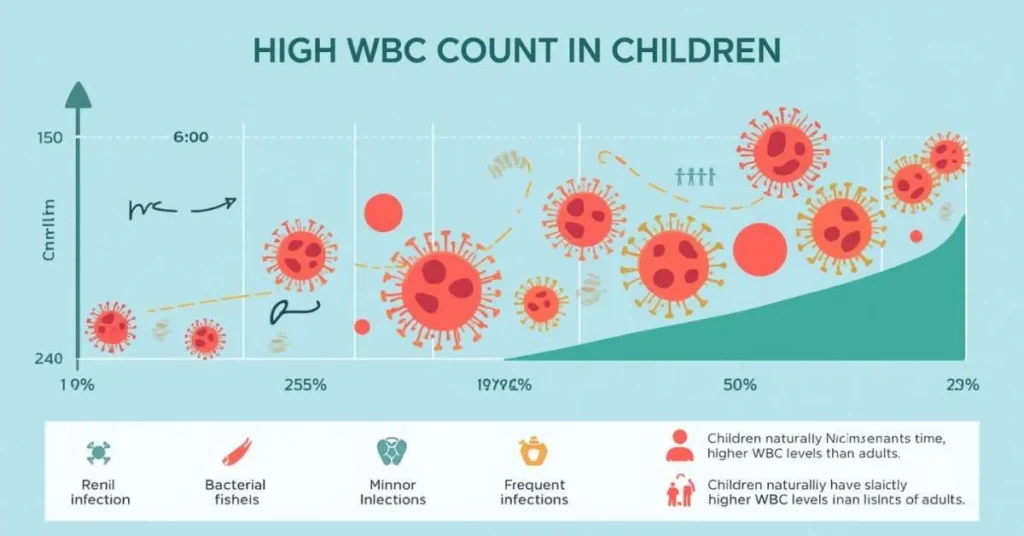
Very high white blood cell counts, or counts that stay high, can be a sign of serious illness. This includes leukemia, bone marrow problems, or immune system diseases.
Healthcare providers may order CBC with differential, blood smears, or additional tests. Caregivers should watch for fatigue, frequent infections, unexplained bruising, or fever.
Pregnancy and White Blood Cells
During pregnancy, the immune system changes. This can make white blood cell counts go up a little, especially in the third trimester. Small increases are normal and help the body support the pregnancy.
However, if WBC counts go up suddenly or very high, it could be a sign of infection or other problems. Healthcare providers often check WBC levels during routine prenatal visits.
Symptoms like fever, swelling, or feeling very tired should be reported to a doctor right away. Drinking enough water, resting, and eating a balanced diet can also help keep the immune system healthy.
Symptoms That May Happen With High WBC
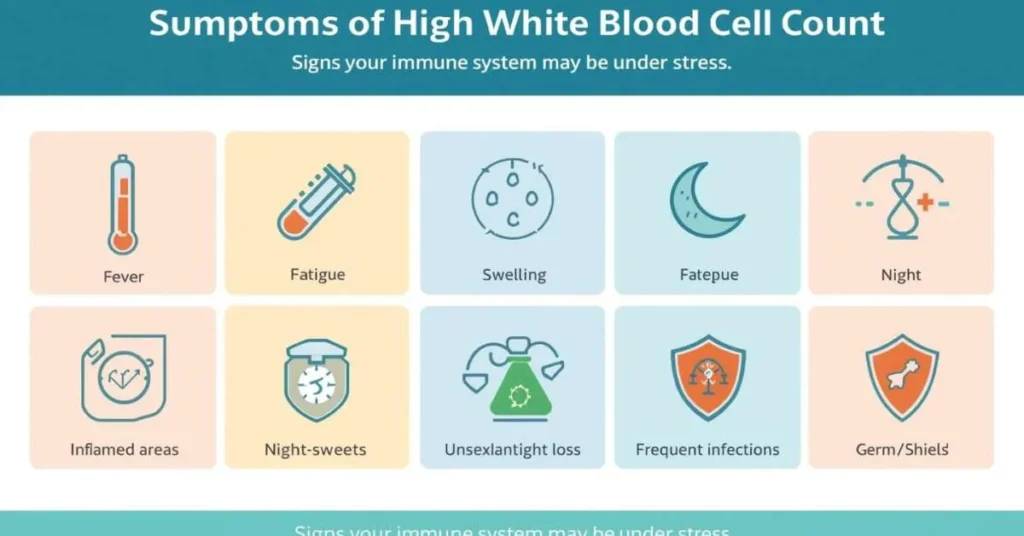
Some individuals may not notice symptoms. Common signs include:
- Fever – body fighting infection
- Fatigue – feeling unusually tired
- Pain or swelling – in affected areas
- Night sweats – with infection or blood conditions
- Unexplained weight loss – may indicate a serious condition
When High White Blood Cell Count Is Dangerous
While mild increases are often safe, high WBC counts can be serious. Watch for:
- Severe infections like sepsis – very high WBC, fever, rapid heartbeat
- Blood cancers like leukemia – WBCs may be very high and abnormal
- Bone marrow disorders – overproduction of WBCs
- Persistent unexplained high WBC – may signal chronic inflammation or autoimmune disease
Seek healthcare evaluation if WBC counts are very high, rising quickly, or accompanied by severe symptoms.
Blood Disorders and Cancer
Sometimes, high white blood cell counts can mean a blood problem or cancer. For example, leukemia makes the bone marrow produce too many immature white blood cells. These cells cannot fight infections properly. Other conditions, like lymphoma or certain bone marrow disorders, can also change WBC production.
People with these conditions may feel very tired, sweat at night, lose weight without trying, get infections often, or bruise easily. Doctors may do blood tests, bone marrow tests, and scans to find abnormal cells. Finding the problem early is very important because treatment works better when started sooner.
How Doctors Diagnose High White Blood Cell Count
Doctors use tests to find the cause:
- CBC with differential – measures total WBCs and types
- Peripheral blood smear – checks WBC shape and maturity
- Infection & inflammation tests – CRP, ESR, or cultures
- Imaging – X-rays, CT scans, or ultrasounds to find infections
- Bone marrow biopsy – checks for blood disorders or cancer
Doctors look at test results, symptoms, and health history together. This helps them choose the right treatment.
Can Stress Alone Raise White Blood Cells?
Yes. Stress can temporarily increase WBCs. Physical stress like surgery or intense activity, and emotional stress, can raise WBC levels. Stress hormones signal the bone marrow to release extra WBCs.
Stress can make white blood cell counts go up for a short time. This rise is usually small. But if WBC levels stay high and there is no clear reason, a doctor should check it.
How High White Blood Cell Count Is Treated
Treatment depends on the cause:
- Infections – antibiotics or antiviral/fungal treatments
- Inflammation & autoimmune disease – anti-inflammatory or immune-suppressing medicines
- Lifestyle changes – reduce stress, eat healthily, improve sleep
- Blood disorders or cancer – chemotherapy or specialized treatment
- Monitoring – repeated blood tests to check if WBCs return to normal
Monitoring Your White Blood Cell Count
Regular monitoring is important if WBC counts are high. Repeat tests track whether levels are rising, stable, or returning to normal. Keeping notes on symptoms alongside lab results helps healthcare providers make better decisions.
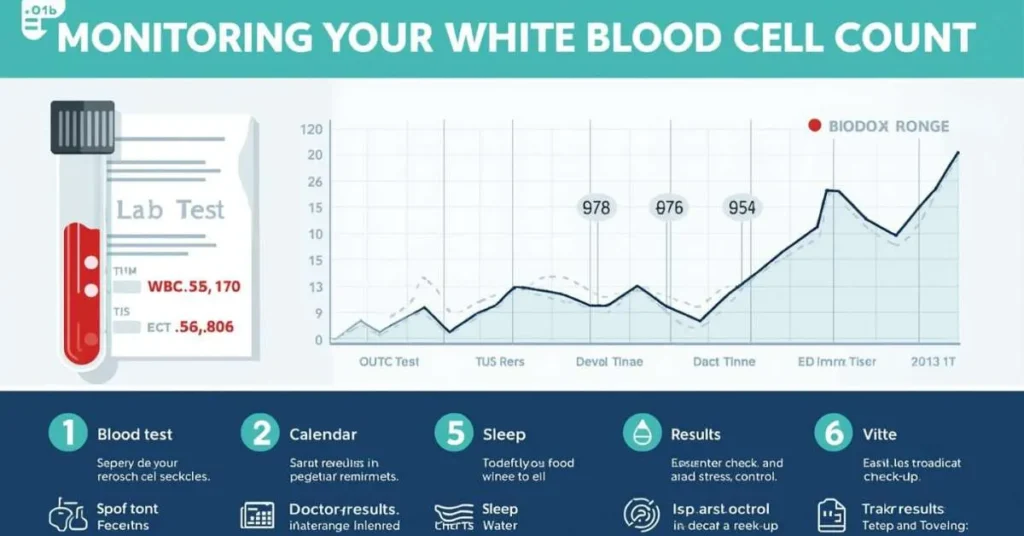
Tracking lifestyle factors such as diet, sleep, stress, and exercise also supports healthy WBC levels. Early monitoring helps detect problems and guides treatment if needed.
Special Populations
- Children – higher normal WBC levels; minor infections often cause temporary increases
- Pregnant individuals – WBCs may rise slightly, especially in the third trimester
- In older adults, high white blood cell counts may mean an infection or long-term inflammation. If the counts stay high, a doctor should check carefully.
Frequently Asked Questions
Q1: Is a high WBC count always serious?
A: No. Mild increases are often temporary, caused by stress, minor infections, or medication.
Q2: Can dehydration raise WBCs?
A: Slightly, due to less fluid in the blood, but usually mild.
Q3: Can exercise increase WBCs?
A: Yes, temporary increases happen after physical activity.
Q4: How long does high WBC last?
A: It depends on the cause; infection-related increases often last a few days.
Q5: When should I seek medical care?
A: Very high or persistent WBCs, especially above 30,000–50,000/µL, or with symptoms, need prompt evaluation.
When to See a Doctor
Seek evaluation if:
- WBC is persistently high without a clear cause
- WBC is extremely high or rising quickly
- Accompanied by fever, fatigue, swelling, night sweats, or unexplained weight loss
- Frequent infections occur
Early attention ensures timely treatment and prevents complications.
Conclusion
A high white blood cell count is the body’s signal that it may be responding to infection, inflammation, stress, or other conditions. Mild increases are usually harmless, while persistent or very high WBC counts may indicate serious health issues.
Understanding WBC types, symptoms, and causes helps anyone interpret lab results and know when to seek care. Healthcare providers use blood tests, imaging, and medical history to identify the cause. Lifestyle changes and treatment help restore balance and support long-term health.
Click here to read about : what does they not like us mean

I am Clara Lexis, a writer driven by clarity, depth, and authenticity. My focus is on transforming ideas into meaningful content that is both informative and engaging. I write with intention to communicate clearly, thoughtfully, and with purpose.