Determined means firmly decided and not willing to give up easily. In most everyday situations, it describes a person who keeps working toward a goal even when the task is hard. However, in formal writing, the same word can also mean “decided,” “found out,” or “established.”
Quick Meaning
| Topic | Simple Answer |
|---|---|
| Meaning | Firmly decided and not giving up easily |
| Part of speech | Adjective |
| Pronunciation | dih-TUR-mind |
| Common pattern | determined to + verb |
| Example | “She is determined to succeed.” |
| Similar words | focused, firm, committed, persistent |
| Opposite words | hesitant, unsure, undecided |
This word often appears in school, work, sports, personal goals, and formal writing. Most of the time, it shows strong purpose. For example, “She is determined to pass the test” means she has made a firm choice to pass. As a result, study, practice, and steady effort are part of that goal.
Meaning in Simple Words
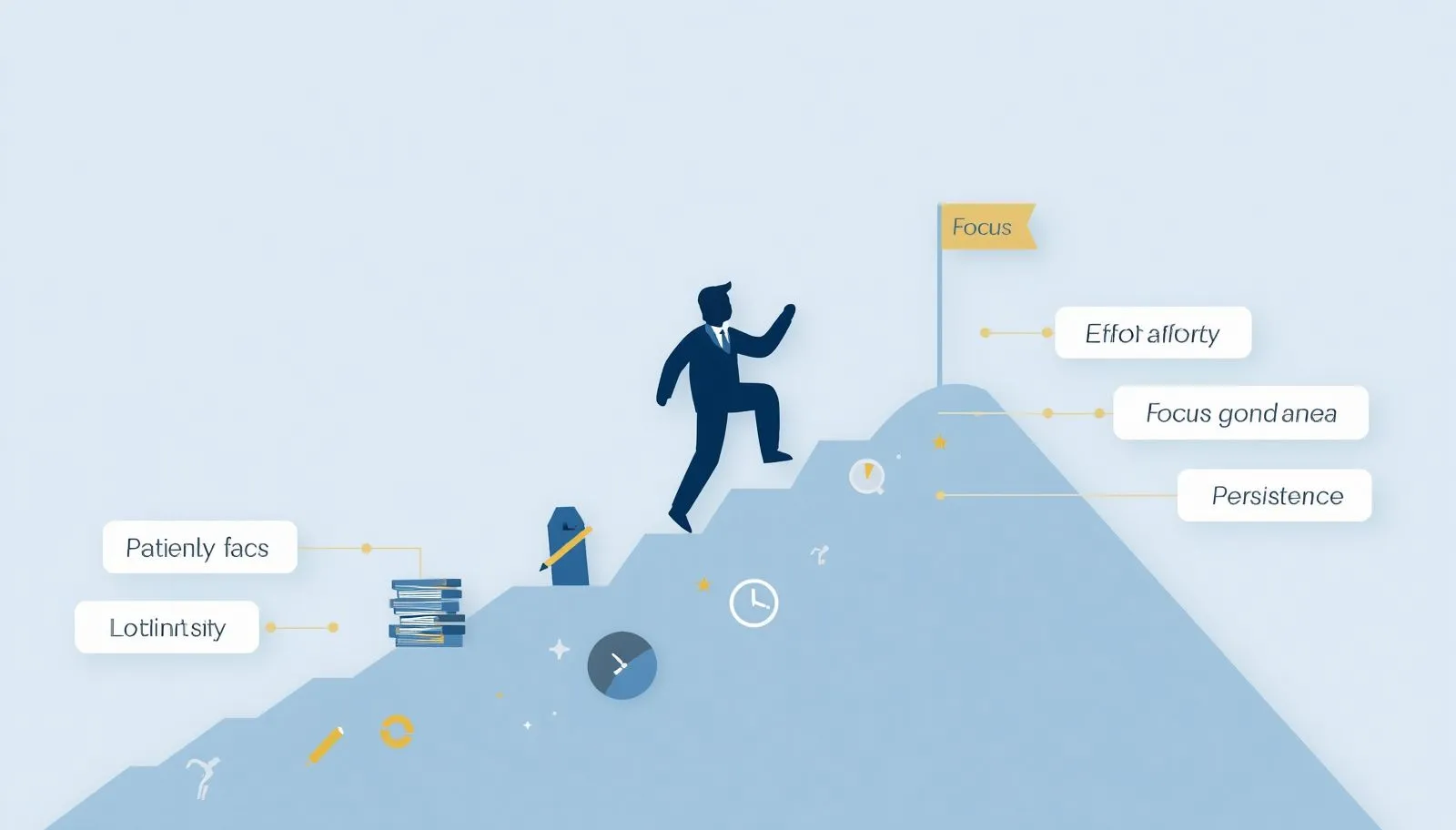
In simple terms, determined means a person has made up their mind and does not quit easily. However, it does not mean the goal will happen right away. Instead, the word points to steady effort, patience, and focus.
A person with this quality often has a clear goal, a strong decision, and the will to keep going. Also, this person may continue after mistakes, delays, or setbacks. Therefore, the word is stronger than simple interest.
Interest can fade when something becomes difficult. In contrast, determination usually continues after the easy part ends.
How to Pronounce Determined
The pronunciation is:
dih-TUR-mind
In this word, the stress falls on TUR. Also, the final -ed does not usually sound like a separate syllable.
The word has three sound parts:
de-ter-mined
However, in normal speech, the ending sounds close to mind, not mind-ed.
For example:
“She looked determined.”
Sounds like: “She looked dih-TUR-mind.”
Part of Speech
Most of the time, determined is an adjective. An adjective describes a person, action, mood, or thing. For example, the word can describe a student, effort, team, or goal.
Examples:
- “She is a determined student.”
- “He made a determined effort.”
- “The team looked focused and ready.”
- “I am determined to improve.”
In each sentence, the word describes attitude or effort. Still, it can also come from the verb determine. In that form, it may mean decided, found out, or established.
Example:
“The winner was determined by the final score.”
Here, the score decided the result. Therefore, the sentence does not describe the winner as strong-willed.
Two Main Meanings
Context decides the meaning. For this reason, it helps to look at the sentence around the word.
1. Firm and Not Giving Up
Daily speech usually uses this meaning. In this sense, the word describes strong will and steady effort.
Examples:
- “She is determined to become a doctor.”
- “The team was determined to win.”
- “He stayed focused after failing once.”
These examples show a person or group continuing toward a goal. As a result, the tone is usually positive.
2. Decided or Found Out
Formal writing often uses a second meaning. In this case, the word means something was decided, discovered, or established.
Examples:
- “The date has not been determined.”
- “The cause was found after testing.”
- “The price will be set later.”
- “The result was determined by the vote.”
Reports, rules, research, and official notices often use this meaning. Therefore, the word is not always about personality or effort.
What Is a Determined Person?
A determined person keeps moving toward a goal, even when progress is slow. However, this does not mean the person never feels tired, nervous, or unsure. Instead, effort continues despite those feelings.
For example, a person may practice after mistakes, study again after a poor result, or apply for more jobs after rejection. Also, someone may save money for an important goal, ask for help instead of quitting, or try a new plan when the first one fails.
Because of this, the word often connects with focus, patience, effort, and persistence.
Real-Life Examples
School
A student finds math hard. Even so, study continues each day, questions are asked, and practice becomes routine.
Sentence:
“She is determined to get better at math.”
This sentence shows a firm choice to improve. Therefore, the focus is on effort over time.
Work
An employee wants career growth. Over time, new skills are learned, feedback is accepted, and focus stays strong.
Sentence:
“He is determined to earn a promotion.”
The sentence shows serious effort toward a goal. Also, it suggests the person is willing to keep improving.
Sports
A runner loses a race. After that, training continues.
Grammar Guide
| Pattern | Meaning | Example |
|---|---|---|
| determined to + verb | Firmly decided to do something | “He is determined to win.” |
| determined not to + verb | Firmly decided not to do something | “She is determined not to quit.” |
| determined that + clause | Strongly decided something should happen | “They were determined that the truth would come out.” |
| determined + noun | Serious or focused | “It was a determined effort.” |
| determined by | Decided or established by something | “The result was determined by the vote.” |
Notice the difference between these two sentences:
“She was determined to win.”
“The winner was chosen by the judges.”
In the first sentence, the meaning is not giving up. In the second sentence, the meaning is decided by someone else.
Similar Words
Several words have a close meaning. However, each word has a slightly different tone.
| Word | Best Use | Example |
|---|---|---|
| Determined | Firmly decided and not giving up | “She is determined to pass.” |
| Focused | Paying strong attention to a goal | “He stayed focused on the task.” |
| Persistent | Continuing again and again | “Her persistent effort helped.” |
| Committed | Loyal to a goal or duty | “They are committed to the project.” |
| Resolute | Very firm and serious | “He remained resolute under pressure.” |
| Driven | Strongly pushed by ambition | “She is driven to succeed.” |
For everyday writing, focused, committed, and persistent are often easy alternatives. Still, determined is useful when the sentence needs both firm decision and continued effort.
Opposite Words
The opposite depends on the sentence. For example, one sentence may need hesitant, while another may need half-hearted.
Common opposite words include:
- hesitant
- unsure
- undecided
- doubtful
- wavering
- uncommitted
- half-hearted
Examples:
- “She was determined to continue.”
Opposite: “She was hesitant to continue.” - “He made a determined effort.”
Opposite: “He made a half-hearted effort.” - “They were ready to act.”
Opposite: “They were unsure whether to act.”
Determined vs Stubborn
These two words are close, but they are not the same.
| Word | Meaning | Tone | Example |
|---|---|---|---|
| Determined | Firmly committed to a goal | Usually positive | “She is determined to graduate.” |
| Stubborn | Refusing to change your mind | Often negative | “He was stubborn and ignored good advice.” |
A determined person keeps going because the goal matters. In contrast, a stubborn person may refuse to change even when a better choice is clear.
Flexibility is the key difference. For instance, a focused person can listen, learn, and adjust. Meanwhile, a stubborn person often refuses to adjust.
Determined vs Motivated
Motivated means having a reason or desire to act. Determined means having a firm decision to continue.
Examples:
- “I feel motivated to start exercising.”
- “I am determined to keep exercising.”
Motivation can help start action. However, determination helps continue after the first excitement fades.
Determined vs Persistent
Persistent means continuing again and again. Determined focuses more on the firm decision behind the effort.
Examples:
- “She is determined to become a nurse.”
- “She was persistent in her studies.”
In simple terms, determination is the decision. Meanwhile, persistence is the repeated action.
Common Phrases
| Phrase | Meaning | Example |
|---|---|---|
| determined to succeed | Firmly committed to success | “She is determined to succeed.” |
| determined to win | Not willing to give up in a contest | “The team was determined to win.” |
| determined effort | A serious attempt | “They made a determined effort.” |
| determined look | A focused facial expression | “He had a determined look.” |
| determined opponent | A strong and focused opponent | “They faced a determined opponent.” |
| bound and determined | Extremely determined | “He was bound and determined to finish.” |
The phrase bound and determined is informal. Also, it is stronger than the single word alone.
Common Word Combinations
Some word pairs sound natural because they often appear together. As a result, these combinations can make writing sound smoother.
Adverbs Before the Word
- very determined
- highly determined
- fiercely determined
- absolutely determined
- quietly determined
- equally determined
Examples:
- “She was fiercely determined to protect her family.”
- “He remained quietly determined.”
- “The group was absolutely determined to finish.”
Nouns After the Word
- determined effort
- determined attempt
- determined student
- determined opponent
- determined attitude
- determined response
Examples:
- “It was a serious attempt to solve the issue.”
- “The student showed a focused attitude.”
- “The team gave a strong response.”
Word Family
| Word | Part of Speech | Meaning | Example |
|---|---|---|---|
| determine | Verb | To decide, find out, or establish | “The test will determine the result.” |
| determined | Adjective | Firmly decided and not giving up | “She is determined to pass.” |
| determination | Noun | Firm purpose and continued effort | “His determination helped him continue.” |
| determinedly | Adverb | In a determined way | “She worked determinedly.” |
| undetermined | Adjective | Not yet decided or known | “The cause remains undetermined.” |
| predetermined | Adjective | Decided in advance | “The order was predetermined.” |
This word family explains why the same term can describe strong will or a final decision. Therefore, sentence context is important.
Is It a Positive Word?
Most of the time, the word has a positive tone. It can suggest focus, effort, strength, patience, commitment, and persistence.
Example:
“She was determined to help her family.”
This sounds positive because it shows purpose and care. However, the tone can change if the goal is harmful or unfair.
Example:
“He was determined to get his way, even if it hurt others.”
In that sentence, the person is still firm. Even so, the behavior is not good. Therefore, the word describes firmness, while the goal decides whether that firmness is positive or negative.
What the Word Does Not Mean
This word does not always mean angry, aggressive, perfect, fearless, already successful, unable to change, or unwilling to learn. In fact, a person can feel fear, make mistakes, ask for help, and change plans while still showing determination.
The main idea is steady effort toward a goal. Also, the effort should not be confused with being rigid or reckless.
Common Mistakes
Mistake 1: Thinking It Only Means Hard-Working
A determined person may work hard. Still, the words are not the same.
Hard-working describes effort. Determined describes firm purpose.
Compare:
- “He worked hard on the project.”
- “He was determined to finish the project.”
The second sentence shows a stronger decision. Therefore, it has a different meaning.
Mistake 2: Confusing It With Certain
Certain means sure. It means committed.
Compare:
- “I am certain this is the answer.”
- “I am determined to find the answer.”
The first sentence is about belief. In contrast, the second is about effort.
Mistake 3: Using an Awkward Pattern
The natural pattern is:
determined to + verb
Correct:
“She is determined to succeed.”
Awkward:
“She is determined for success.”
The second version may be understood. However, the first sounds more natural.
Mistake 4: Treating It as the Same as Stubborn
A determined person can adjust. On the other hand, a stubborn person often refuses to adjust.
Because of that, determined usually sounds respectful. Meanwhile, stubborn often sounds critical.
Mistake 5: Missing the Formal Meaning
In formal writing, the word may mean decided or found out.
Example:
“The final amount will be determined later.”
This means the amount will be decided later. Therefore, it is not about effort or personality.
How to Recognize Determination
Determination usually shows through action. For example, a person may try again after failure, make a plan, or stay focused during slow progress.
Also, the person may ask for help, learn from mistakes, show up again, avoid excuses, or change the method when needed. Often, this quality looks calm and steady rather than loud or dramatic.
Examples of Determination
Clear examples include:
- A child practices reading after mistakes.
- After failing a test, a student studies again.
- A small business owner improves after slow sales.
- During recovery, a patient follows a care plan.
- A writer revises a draft many times.
- For a better role, a worker learns a new skill.
- An athlete trains again after losing a match.
Each example shows steady effort toward a goal. As a result, the word fits all of these situations.
Can Determination Be a Problem?
Yes. It can become a problem when it turns into pressure, pride, or refusal to listen.
Healthy determination includes effort, patience, flexibility, learning, self-control, and respect. However, unhealthy determination may include ignoring good advice, refusing to rest, hurting others, or continuing only because of pride.
Good determination is firm but not reckless. Therefore, it keeps the goal in view while allowing better choices.
Quick Practice
Look at these sentences:
- “She is determined to finish the race.”
- “The meeting time has not been determined.”
- “He is determined that the plan will work.”
All three are correct. In sentence 1, the word means not giving up. For sentence 2, the meaning is decided. Finally, sentence 3 shows firm resolve.
What Most Articles Miss About This Topic
Many articles say the word means “not giving up.” That is true, but it is not the full idea.
A better explanation is this:
It means a firm decision that leads to continued action.
This is why the word is stronger than interested. Someone can like a goal and still quit quickly. However, determination usually continues after interest becomes weaker.
It is also stronger than motivated. Motivation can fade after the first excitement. In contrast, determination continues after that feeling drops.
Another missed point is flexibility. A focused person does not have to be rigid. In fact, healthy determination often includes learning, listening, and changing the plan.
That is what separates determination from stubbornness.
FAQs
What does determined mean in simple words?
It means firmly decided and not willing to give up easily.
What does it mean to be determined?
It means staying focused on a goal and continuing to try, even when the task is difficult.
Is it a positive word?
Usually, yes. This word often shows focus, effort, and strength. However, it can sound negative if the goal is harmful, selfish, or unfair.
What is a simple example?
“She studied every night because she wanted to pass the test.”
This example shows steady effort toward a clear goal.
What is another word for determined?
Common choices include focused, firm, committed, persistent, resolute, and driven.
Not exactly. Motivated means having a reason to act. In contrast, this word means having a firm decision to continue.
Can it mean decided?
Yes. In formal writing, it can mean decided, found out, or established.
Example:
“The winner was chosen by the judges.”
What does “determined to succeed” mean?
It means a person has firmly decided to succeed and is ready to keep working despite problems.
Can a person with strong resolve fail?
Yes. Strong effort does not guarantee success. Some results depend on timing, skill, resources, or outside events.
Example:
“Her steady effort helped her continue.”
What is the adverb form?
The adverb form is determinedly.
Example:
“He worked with firm focus until the task was done.”
Conclusion
Determined means firmly decided and not willing to give up easily. Most often, it describes steady effort toward a goal despite problems.
However, the same word can also mean decided, found out, or established. Therefore, sentence context matters.
A simple way to remember the meaning is this: a person with firm resolve has made up their mind and keeps going.
Finally, this word works best when describing strong purpose, serious effort, and steady action toward a goal.
Click Here To Read About : what does getting baptized mean

Hi, I’m Geoffrey Chaucer. I explore the stories and meanings behind words, turning ideas into clear, insightful writing. Through every article I craft, I aim to spark curiosity, share knowledge, and help readers uncover practical, meaningful truths in everyday life.