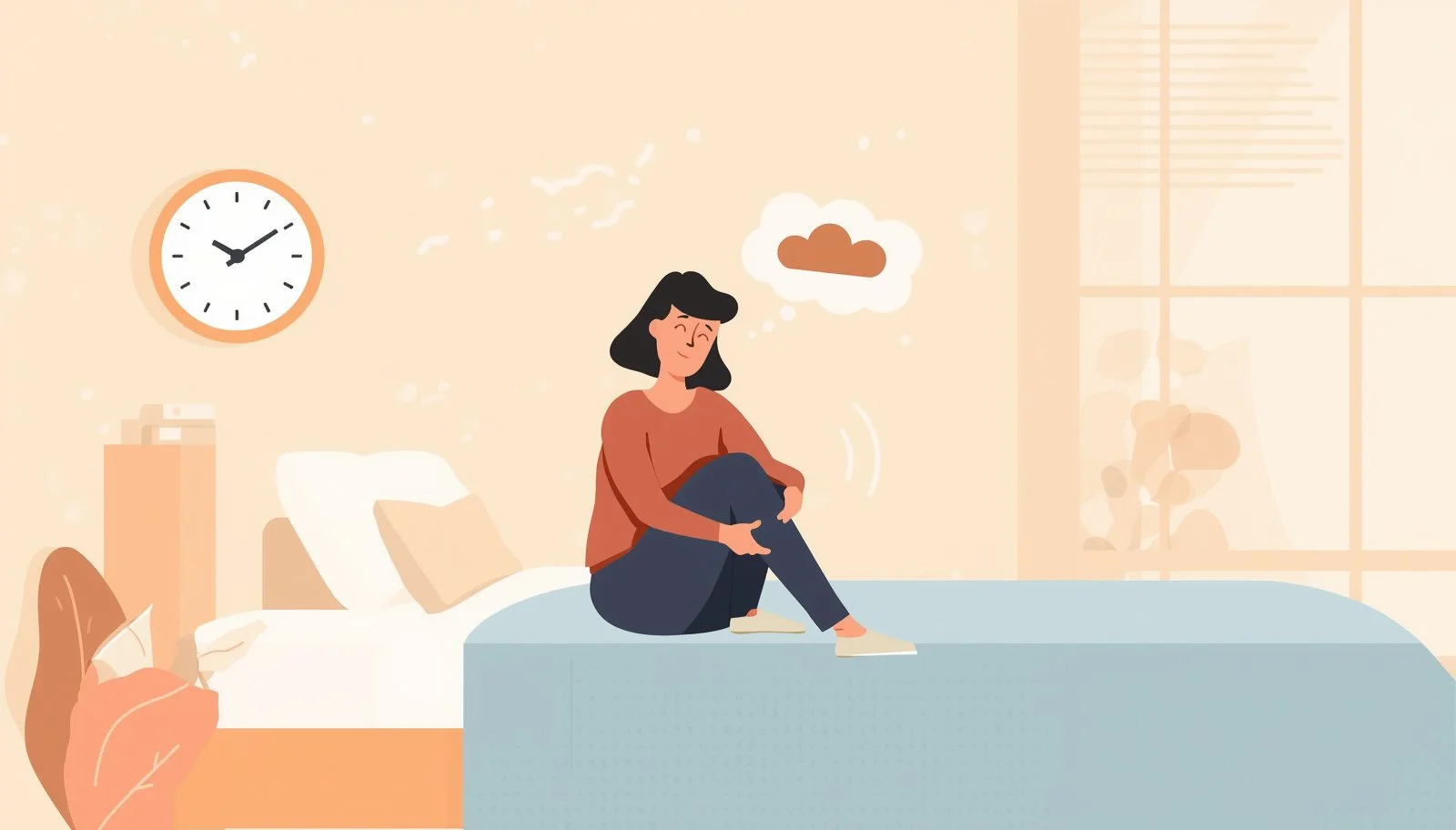
Restless means unable to relax, stay still, sleep peacefully, or feel settled. A restless person may feel uneasy, bored, impatient, anxious, physically uncomfortable, or ready for change. The word can also describe disturbed sleep, a busy mind, a fidgety child, or a crowd becoming impatient.
In everyday English, restless points to one main idea: something does not feel calm, still, settled, or restful.
You may hear it in phrases like a restless night, a restless child, a restless mind, or a restless crowd. Although these examples describe different situations, they all involve some kind of unsettled energy.
Restless Meaning at a Glance
| Feature | Meaning |
|---|---|
| Word | Restless |
| Part of speech | Adjective |
| Pronunciation | REST-lis |
| Simple definition | Unable to relax, stay still, sleep peacefully, or feel settled |
| Noun form | Restlessness |
| Adverb form | Restlessly |
| Common contexts | Boredom, worry, discomfort, excitement, impatience, poor sleep, desire for change |
| Opposite words | Calm, relaxed, peaceful, settled, restful |
How to Pronounce Restless
Restless is pronounced REST-lis.
The word has two syllables:
rest-less
The first syllable sounds like rest, while the second syllable sounds like lis. Since it is an adjective, it is used to describe a person, feeling, night, mind, crowd, or situation.
For example:
“She felt restless after sitting inside all day.”
In this sentence, restless describes how she felt.
The 2 Main Meanings of Restless
The word has two main everyday meanings. First, it can describe someone who cannot stay still or calm. Second, it can describe sleep or rest that is disturbed.
Understanding these two meanings makes the word much easier to use correctly.
1. Unable to Stay Still, Calm, or Settled
Most often, this word describes someone who cannot relax, stay quiet, or remain still.
For example:
“The children became unsettled during the long car ride.”
“I felt uneasy after sitting at my desk all day.”
“The audience grew impatient when the speaker was late.”
In these examples, the people are not calm or settled. They may be bored, uncomfortable, impatient, or simply ready to move.
Without Peaceful Rest or Sleep
The word can also describe sleep that feels disturbed or not refreshing.
For example:
“I had a disturbed night.”
“The baby woke up several times.”
“Poor sleep left him tired the next morning.”
Here, the meaning is not simply “awake.” Instead, it suggests that the person did not sleep peacefully. They may have tossed and turned, woken up often, or struggled to get comfortable.
What It Means to Feel Unsettled
To feel this way means you feel uneasy inside. You may not know exactly what you want, yet you still cannot fully relax.
This feeling can happen for many reasons. For instance, you might experience it after sitting too long, waiting for important news, feeling bored, or thinking about a big decision. In other cases, it may come from excitement, worry, discomfort, or a desire for change.
Someone might say:
“I don’t know what’s wrong. I just can’t settle down.”
In that situation, the person may feel uneasy, distracted, or unable to focus on one task, place, or mood.
Examples in Sentences
The meaning becomes clearer when you see it in real examples.
| Sentence | Meaning |
|---|---|
| “I feel unsettled today.” | I cannot relax or settle down. |
| “She had a disturbed night.” | She did not sleep peacefully. |
| “The kids are getting fidgety.” | The kids are becoming bored, impatient, or unable to sit still. |
| “His busy mind kept him awake.” | His thoughts were too active or unsettled. |
| “The crowd grew impatient.” | The crowd became uneasy or annoyed by waiting. |
| “He felt unsatisfied in his job.” | He wanted change or a new challenge. |
| “The restless sea crashed against the rocks.” | The sea was constantly moving. |
As these examples show, the idea can describe people, sleep, thoughts, crowds, emotions, and even nature.
Common Phrases and Their Meanings
Because this adjective is flexible, it appears in many common phrases. Each phrase keeps the same basic idea of being unsettled, but the exact meaning changes depending on the context.
Disturbed Night Meaning
A disturbed night means sleep was uncomfortable, broken, or not refreshing.
You may toss and turn, wake up often, or feel as if you never fully rested. As a result, you might wake up tired even after spending many hours in bed.
Example:
“I had a disturbed night before the interview.”
This means the person did not sleep well, possibly because of nerves, excitement, discomfort, or overthinking.
Busy Mind Meaning
A busy or unsettled mind feels active, crowded, or difficult to calm.
For example:
“My mind kept jumping from one thought to another.”
This does not always mean the person is anxious. Sometimes, it comes from excitement, creativity, overstimulation, or having too many things to think about at once.
Fidgety Child Meaning
A fidgety child is a child who cannot sit still, stay quiet, or remain calm for long.
For example:
“The children became fidgety while waiting at the restaurant.”
In this case, the children may be bored, hungry, tired, excited, or uncomfortable. Therefore, the phrase describes their unsettled behavior rather than one exact emotion.
Impatient Crowd Meaning
An impatient crowd is a group of people becoming uneasy, noisy, or harder to manage.
Example:
“The crowd grew impatient after the delay.”
This usually means people have been waiting too long and are starting to lose patience.
Unsettled Energy Meaning
Unsettled energy means energy that feels hard to control or calm.
For example:
“After drinking too much coffee, I had nervous energy all afternoon.”
This type of feeling may make someone want to pace, clean, exercise, talk, or switch tasks repeatedly.
Restless for Change Meaning
To be restless for change means you feel dissatisfied with your current situation and want something new.
Example:
“After five years in the same role, she felt restless for change.”
Here, the word is not about physical movement. Instead, it describes emotional dissatisfaction and a desire for something different.
Restless vs Similar Words
Although restless overlaps with several words, it does not mean exactly the same thing as all of them.
| Word | Best used when… | Example |
|---|---|---|
| Restless | Someone cannot settle, relax, stay still, or feel satisfied | “I feel restless and need a walk.” |
| Anxious | Worry, fear, or nervousness is the main feeling | “I’m anxious about the results.” |
| Bored | Lack of interest is the main problem | “I’m bored with this movie.” |
| Fidgety | Small physical movements are the main sign | “He was fidgety during class.” |
| Impatient | Waiting or delay is the main issue | “The customers became impatient.” |
| Agitated | The unease is stronger or more emotionally intense | “She sounded agitated on the phone.” |
| Tired | The person needs rest or sleep | “I’m tired after work.” |
This comparison matters because restless is broader than many similar words. It can describe movement, emotion, sleep, impatience, boredom, or dissatisfaction.
Does Restless Mean Anxious?
Restless can mean anxious, but not always.
Anxiety is more specifically connected with worry, fear, nervousness, or dread. Restlessness, however, is broader. It can happen because of anxiety, but it can also come from boredom, excitement, discomfort, impatience, or sitting still for too long.
For example:
- “I feel restless because I’m worried about the exam.”
In this case, the feeling is connected to anxiety. - “I feel restless because I’ve been inside all day.”
Here, the feeling may come from boredom or lack of movement. - “I feel restless because I’m excited for the trip.”
In this example, the feeling comes from anticipation.
So, while anxiety can cause restlessness, the two words are not always interchangeable.
Restless vs Tired
A person can be tired and restless at the same time. However, the words mean different things.
Tired means you need rest.
Restless means you cannot settle into rest.
For example:
“I was exhausted, but I felt restless and couldn’t fall asleep.”
This sentence describes a common and frustrating situation. The person needs sleep, yet their body or mind will not calm down.
Restless vs Bored
Boredom can lead to restlessness, but the two words are not identical.
Bored means you lack interest or stimulation.
Restless means you feel unable to settle.
For example:
“The students became restless during the long lecture.”
The students may be bored, but the word focuses more on their unsettled behavior. They may start shifting in their seats, whispering, checking the time, or waiting for the lecture to end.
How It Differs From Fidgety
Fidgety mainly describes small physical movements, such as tapping a foot, shifting in a chair, or playing with an object.
By contrast, restless has a wider meaning. It can describe physical movement, mental unease, poor sleep, impatience, or dissatisfaction.
For example:
“He was fidgety during the meeting.”
This sentence focuses on movement.
However:
“He felt unsettled in his career.”
This means he felt unsatisfied or ready for change, not necessarily that he was physically moving.
How It Differs From Restive
Restive is a less common word, but people sometimes confuse it with restless.
In general, restless means unable to relax, stay still, or feel settled. Restive, on the other hand, often suggests impatience, resistance, or difficulty being controlled.
For example:
“The unsettled child could not sit still.”
This means the child was fidgety or unable to remain calm.
By contrast:
“The restive crowd resisted the new rules.”
This suggests the crowd was impatient, rebellious, or hard to control.
For most everyday situations, restless is the more common and natural choice.
Similar Words and Synonyms
The best synonym depends on the exact meaning you want to express.
| If you mean… | Better word |
|---|---|
| Unable to sit still | Fidgety |
| Mentally unsettled | Uneasy |
| Slightly nervous | Anxious |
| Wanting change | Dissatisfied |
| Unable to sleep peacefully | Wakeful |
| Annoyed by waiting | Impatient |
| Emotionally worked up | Agitated |
| Not calm or peaceful | Unsettled |
For example, if someone keeps tapping their foot, fidgety may be the best choice. However, if someone feels unhappy with their life and wants something different, dissatisfied may fit better.
Opposite Words
Opposites include:
- Calm
- Relaxed
- Peaceful
- Still
- Settled
- Content
- Restful
- Tranquil
- At ease
Example:
“After a walk and a shower, I finally felt calm.”
In this sentence, calm works as the opposite because the person no longer feels unsettled.
Word Forms: Restless, Restlessly, and Restlessness
This word also has related forms.
| Word | Part of speech | Meaning | Example |
|---|---|---|---|
| Restless | Adjective | Unable to relax, stay still, or feel settled | “She felt restless.” |
| Restlessly | Adverb | In an unsettled way | “He paced restlessly.” |
| Restlessness | Noun | The state of being unable to settle | “His restlessness made it hard to focus.” |
Example:
“Her uneasiness grew as the deadline got closer, and she paced around the room.”
This version keeps the meaning without repeating the same key term too often.
Is It a Negative Word?
This adjective is often slightly negative because it suggests discomfort, unease, or lack of calm.
Example:
“I felt unsettled and couldn’t concentrate.”
However, the word is not always negative. In some contexts, it can suggest energy, curiosity, ambition, or a desire for growth.
Example:
“Her restless creativity pushed her to try new ideas.”
In positive contexts, it can describe someone who is active, curious, and eager for something new. In negative contexts, it usually describes discomfort, unease, or an inability to relax.
Can It Mean Excited?
Yes, it can sometimes describe excitement or anticipation.
Example:
“The children could not settle down on the night before the holiday.”
In this sentence, the children may not be worried. Instead, they are probably too excited or energetic to relax.
Even so, the central meaning stays the same: they cannot be calm or still.
Is It the Same as Restless Legs Syndrome?
No. The everyday word restless is a general adjective. It can describe many situations, such as an unsettled child, disturbed sleep, nervous energy, or a busy mind.
Restless legs syndrome, often shortened to RLS, is different. It refers to a specific health condition involving a strong urge to move the legs, especially while resting or trying to sleep.
Because of this difference, these two sentences do not mean the same thing:
- “I feel unsettled.”
- “I have restless legs syndrome.”
The first sentence is a general statement. The second refers to a specific medical condition.
If this feeling is frequent, intense, physically uncomfortable, or seriously affecting sleep or daily life, it is sensible to speak with a qualified health professional.
Common Mistakes
Mistake 1: Thinking It Always Means Anxious
Anxiety can cause this feeling, but not all uneasiness comes from anxiety. A person may feel this way because they are bored, excited, uncomfortable, impatient, or ready for change.
Mistake 2: Thinking It Only Describes Movement
The word can describe movement, but it can also describe thoughts, emotions, sleep, or dissatisfaction.
For example, a person can sit completely still and still feel mentally unsettled.
Mistake 3: Using It When You Mean Tired
Tired means you need rest. Restless means you cannot settle. Although these feelings can happen together, they are not the same.
Mistake 4: Treating It as Always Negative
This feeling can be uncomfortable. However, it can also signal curiosity, ambition, creative energy, or readiness for change.
Mistake 5: Confusing Everyday Uneasiness With a Medical Condition
Feeling unsettled once in a while is common. Restless legs syndrome, on the other hand, is a specific condition involving the legs and the urge to move them during rest.
What Most Articles Miss About This Topic
Most short definition pages explain the term as “unable to rest” or “unable to stay still.” That definition is correct, but it does not fully explain why the word appears in so many different situations.
A more useful way to understand it is this:
It describes a gap between your current state and the state your body or mind wants.
Your body may want movement.
Your mind may want quiet.
Your emotions may want relief.
Your life may want change.
Your sleep may want calm.
That is why the same idea works in all of these phrases:
- An unsettled child may need movement or stimulation.
- A busy mind may need quiet.
- A disturbed night lacks peaceful sleep.
- An unsatisfied worker may want a new challenge.
- An impatient crowd may want action, information, or relief from waiting.
In other words, the word is not just about movement. More accurately, it describes unsettled energy.
Quick Rule for Using the Word Correctly
Use restless when someone or something cannot settle.
Use anxious when worry or fear is the main feeling.
Use bored when lack of interest is the main issue.
Use fidgety when small physical movements are the main sign.
Use tired when the person mainly needs sleep or rest.
This simple rule helps you choose the right word in most everyday situations.
FAQs
What does restless mean in simple words?
It means unable to relax, stay still, sleep peacefully, or feel settled. A person may feel uneasy, bored, impatient, anxious, physically uncomfortable, or ready for change.
Why does someone feel this way?
Someone may feel unsettled because of boredom, worry, excitement, discomfort, impatience, lack of movement, poor sleep, or a desire for change.
Does it mean anxious?
Sometimes, but not always. Anxiety can make someone feel this way, but the same feeling can also come from boredom, excitement, discomfort, impatience, or sitting still too long.
What does it mean at night?
At night, it usually means sleep is disturbed or not peaceful. A person may toss and turn, wake up often, or struggle to get comfortable.
What is a busy or unsettled mind?
It is a mind that feels active, unsettled, or hard to calm. It may involve racing thoughts, worry, excitement, creativity, or difficulty focusing.
What is an unsettled person like?
An unsettled person may fidget, pace, switch tasks often, struggle to sit still, feel unsatisfied, or constantly look for something new to do.
What is the opposite?
The opposite can be calm, relaxed, peaceful, settled, still, restful, tranquil, or at ease.
Is it positive or negative?
It is often negative because it suggests discomfort or lack of calm. However, it can be positive when it describes curiosity, creativity, ambition, or a desire for growth.
What is the difference between restless and fidgety?
Fidgety mainly describes small physical movements. Restless is broader because it can describe physical movement, mental unease, poor sleep, impatience, or dissatisfaction.
Is it the same as restless legs syndrome?
No. One is a general descriptive word, while restless legs syndrome is a specific health condition involving a strong urge to move the legs, often during rest or sleep.
Final Takeaway
Restless means unable to relax, stay still, sleep peacefully, or feel settled.
The easiest way to understand the word is to ask: what is not settled here?
Sometimes, the body is not settled. At other times, the mind, emotions, sleep, patience, or life situation feels unsettled. Once you understand that core idea, phrases like restless night, restless mind, restless child, and restless for change become much easier to understand.
Click Here To Read About : what does third person omniscient mean

I am Clara Lexis, a writer driven by clarity, depth, and authenticity. My focus is on transforming ideas into meaningful content that is both informative and engaging. I write with intention to communicate clearly, thoughtfully, and with purpose.